Case study · Voice AI · MelonLabs
WordBuddy AI
Shipped to Google Play with 80% lower conversational-AI costs.
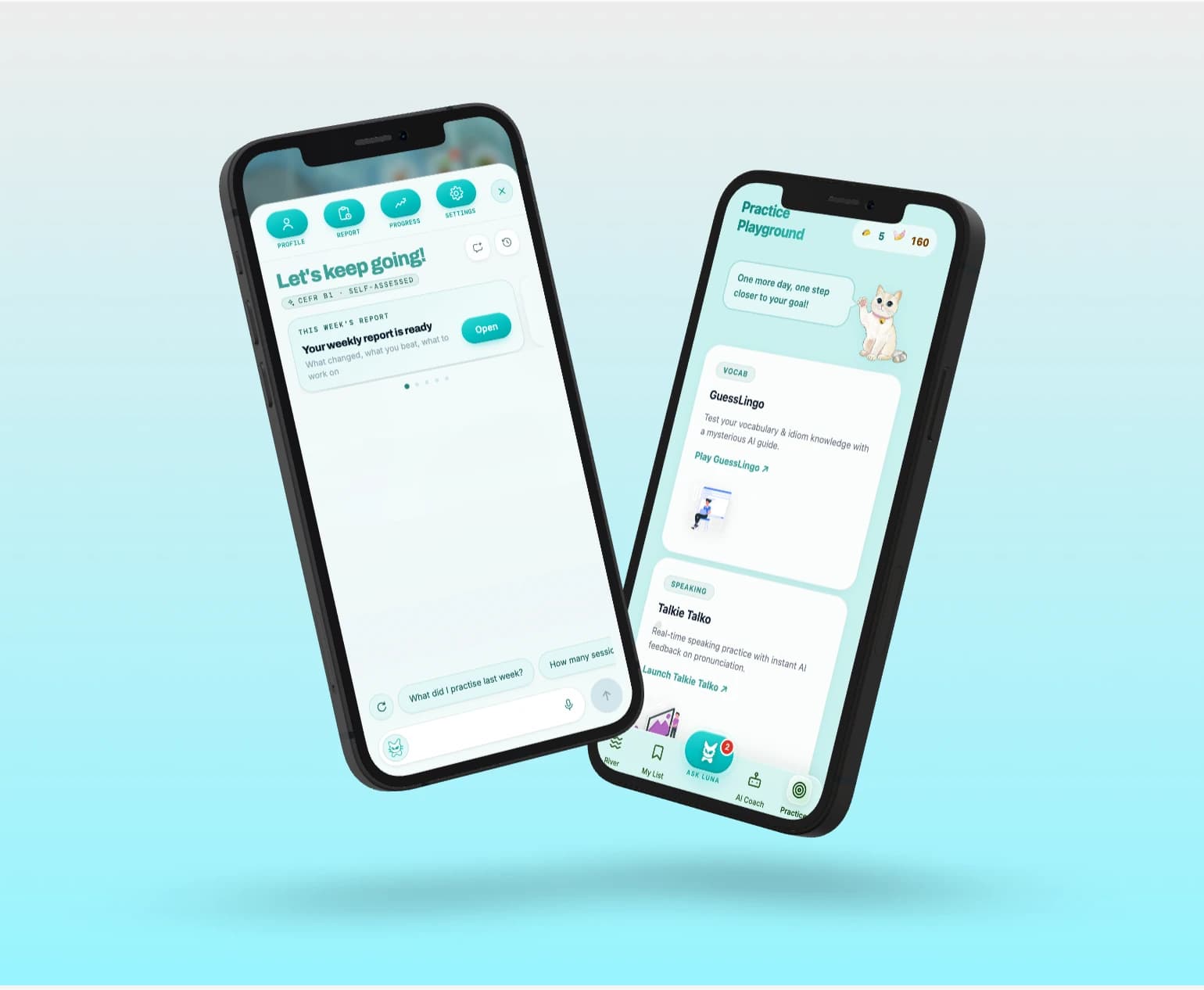
WordBuddy AI is an AI-powered English learning platform for Southeast Asian learners: an AI dictionary, voice AI tutors and gamified spaced repetition across 10,000+ CEFR, TOEIC, Business and GRE words.
- Client
- MelonLabs Ltd
- Role
- Full-Stack AI Engineer, leading backend and voice AI
- Timeline
- Mar 2026 – present
The challenge
WordBuddy started as a web app. To reach learners where they actually study, it had to become a real mobile product: one that works offline, keeps voice tutoring affordable as usage grows, and never loses a learner's progress.
What I built
- Evolved the web app into a cross-platform mobile app on Capacitor and Phaser.js, designed for offline-first use and game-driven learning.
- Architected MelonTutor, the real-time conversational English tutor, on LiveKit, Deepgram, Gemini and ElevenLabs.
- Re-architected storage: a 5 MB localStorage limit that silently lost data past about 1,000 saved words was replaced with encrypted on-device SQLite (SQLCipher), an IndexedDB fallback on the web and a row-level delta-sync engine for offline and multi-device consistency.
- Added intelligent response caching and moved search and LLM providers to Exa AI and Gemini, with no drop in answer quality.
- Migrated hosting from Render and Vercel to a single Hostinger VPS with one deployment pipeline.
- Owned the release end to end: database schema, automated subscription workflows, CI/CD and publishing on Google Play.
Results
- 80%lower conversational-AI costs
- 60%lower hosting costs
- Live on Google Play, with offline-first learning
- Multi-MB uploads became single-row writes
Tools
- Capacitor
- LiveKit
- Deepgram
- ElevenLabs
- Gemini
- SQLCipher
Want something similar? See voice ai agents →
More case studies
AI automation · 16x9.ai
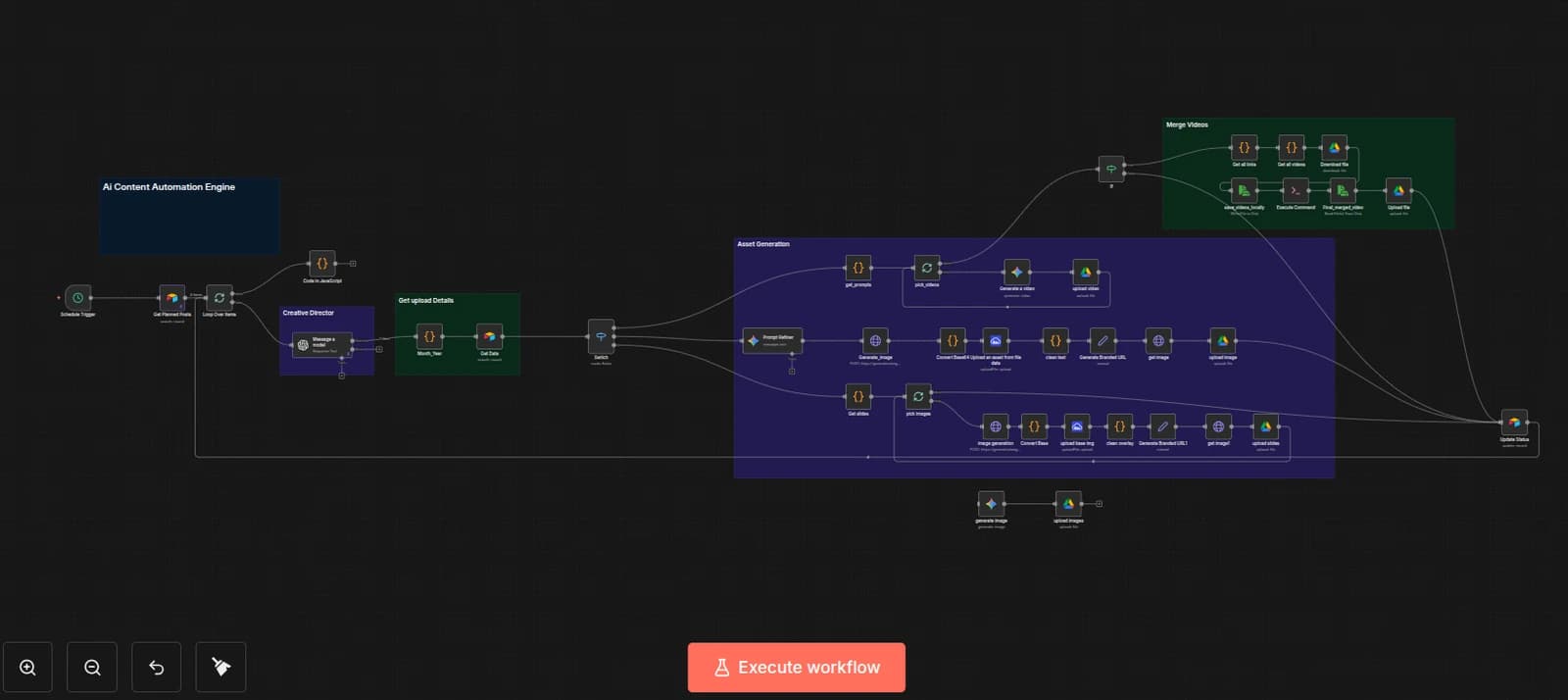
AI Content Automation Engine
Cut content production time 95% with four chained n8n workflows.
Read the case study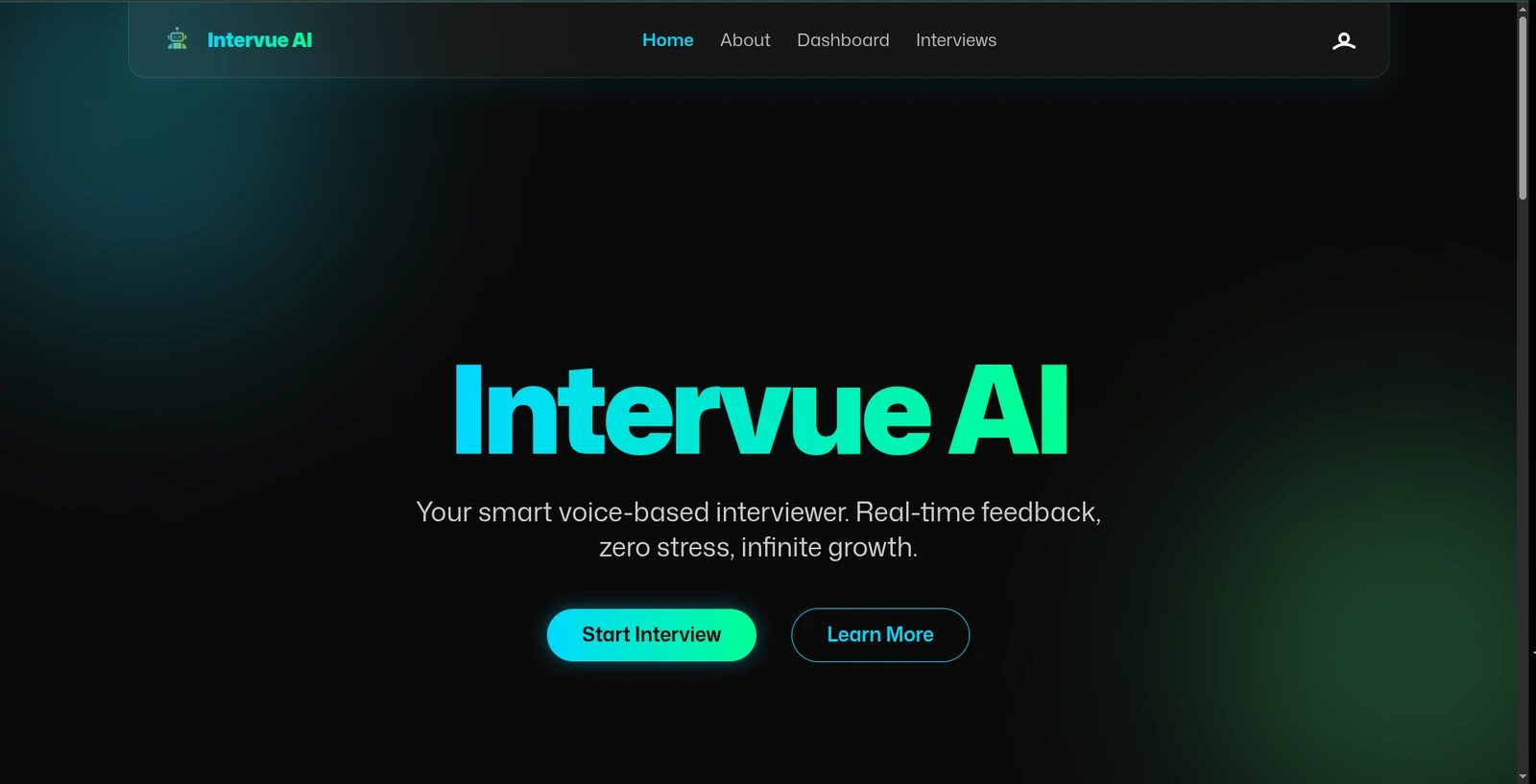
Voice AI · Web app
Intervue AI
Real-time AI interviews with 80% lower voice costs and 30% faster setup.
Read the case study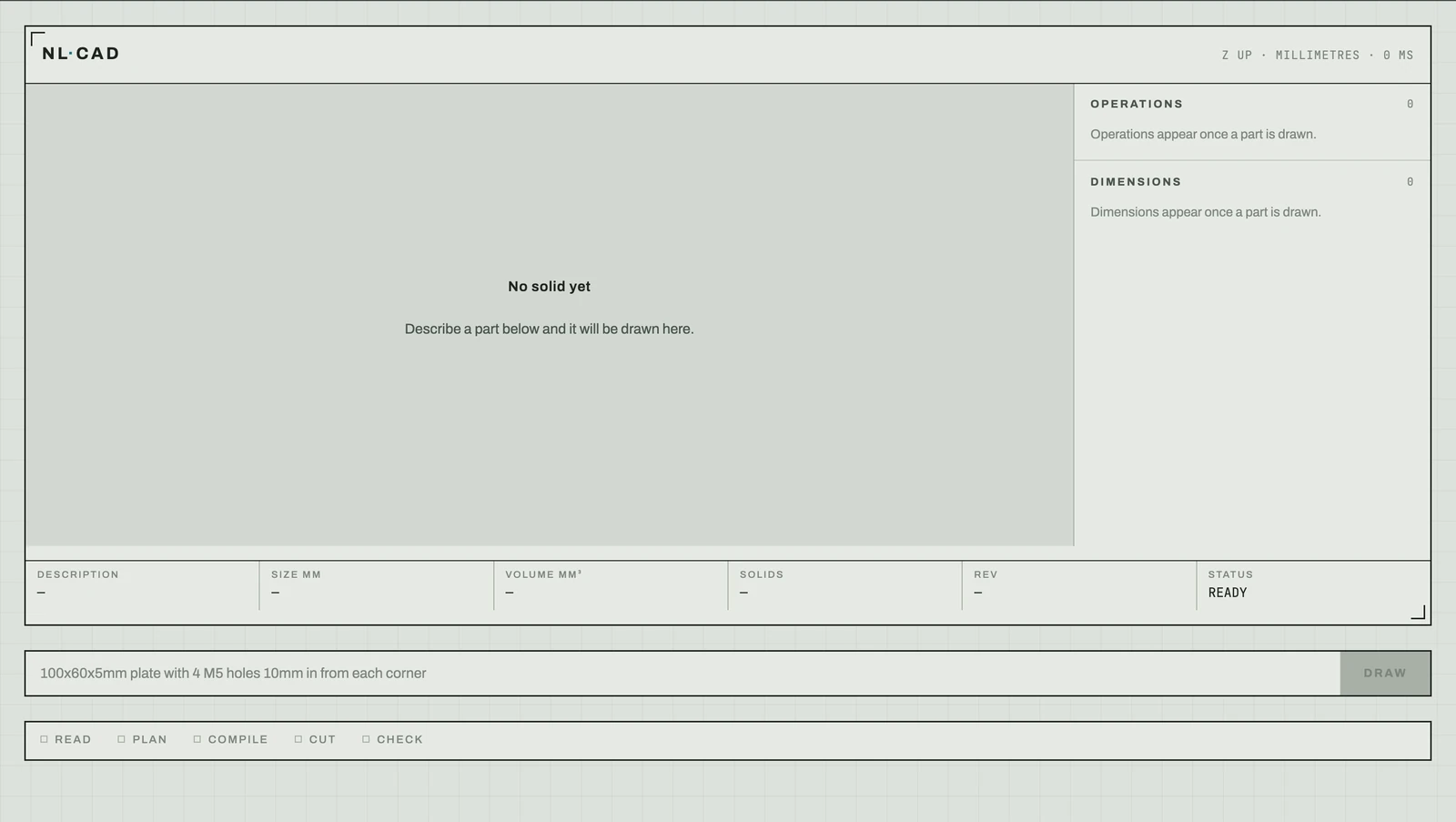
AI engineering · Text-to-CAD
NL-CAD
Plain English to CAD models: 46/46 eval cases pass at about $0.01 each.
Read the case study